Unveiling the Act: Understanding Male Masturbation and its Significance
Masturbation, a subject often shrouded in silence and misconception, is a fundamental aspect of human sexuality and a nearly universal experience for men. Far from being a taboo topic, comprehending male masturbation is important for fostering healthy sexual mindsets, eliminating myths, and promoting total well-being. This short article intends to explore the truth of male masturbation, exploring its prevalence, benefits, typical practices, and dealing with often asked concerns to offer a comprehensive and informative point of view.
A Natural and Widespread Practice
Across cultures and throughout history, male masturbation has been a constant feature of human behavior. It is a natural and healthy method for men to explore their bodies, understand their sexual desires, and experience sexual pleasure. Research studies and surveys consistently indicate that masturbation is extremely typical among men of all ages and backgrounds. It begins as early as puberty for numerous and continues throughout the adult years and into older age.
This widespread prevalence highlights the normalcy of masturbation. It is not an indication of isolation, relationship discontentment, or any mental abnormality. Rather, it is a healthy and instinctive habits, comparable to other personal hygiene practices in its self-care aspect.
The Multifaceted Benefits of Male Masturbation
Beyond simply giving satisfaction, masturbation offers a variety of physical, psychological, and even relational benefits for men. Comprehending these advantages can add to a more positive and accepting view of this natural act.
Here are some key advantages connected with male masturbation:
- Sexual Exploration and Self-Discovery: Masturbation offers a safe and private area for men to explore their own bodies and understand what brings them pleasure. Through this process, they can discover their erotic zones, preferred kinds of touch, and sexual responses with no external pressure. This self-knowledge can be invaluable for future sexual experiences, both alone and with partners.
- Tension and Tension Relief: Orgasm, achieved through masturbation, activates the release of endorphins, the body's natural mood elevators and painkiller. These neurochemicals add to feelings of relaxation, wellness, and minimized stress and anxiety. Masturbation can serve as a healthy outlet to release bottled-up tension after a demanding day or during periods of anxiety.
- Enhanced Sleep Quality: The relaxation and release of tension following orgasm can likewise promote better sleep. The post-orgasmic release of prolactin, a hormone associated with drowsiness, can help men fall asleep more quickly and experience more relaxing sleep. For some, masturbation can be a helpful tool to manage insomnia or enhance sleep patterns.
- Mood Enhancement: The endorphins released during orgasm contribute to an enhanced mood and sense of wellness. Masturbation can be a fast and reliable way to raise one's spirits, battle sensations of unhappiness, or simply boost total mood. It offers a natural and easily offered way to enhance joy and favorable emotions.
- Prostate Health Considerations: While more research study is continuous, some studies recommend a possible link between routine ejaculation (consisting of through masturbation) and a reduced risk of prostate cancer. Ejaculation assists to flush out the prostate gland, potentially getting rid of carcinogens and adding to prostate health. However, it's important to keep in mind that this is still a location of active research, and masturbation must not be considered a sole preventative measure for prostate cancer.
- Safe Sexual Outlet: For men who are not currently in a sexually active relationship or who pick to stay away from partnered sex for various factors, masturbation offers a safe and healthy way to please sexual urges and release sexual stress. It eliminates the threats of sexually transferred infections (STIs) and unwanted pregnancies related to partnered sex.
- Body Image and Self-Acceptance: Engaging with one's own body through masturbation can foster a higher sense of body awareness and self-acceptance. It can be a way to value one's physicality and commemorate one's own sexuality in a positive and affirming way.
Exploring the Spectrum of Practices
The methods and techniques men use for masturbation are as varied as people themselves. There is no single "right" or "wrong" method to masturbate; what matters most is individual convenience and pleasure.
Common methods include:
- Manual Stimulation: This includes using the hands and fingers to straight stimulate the penis. Variations consist of utilizing different grips, pressures, and speeds to attain stimulation and orgasm.
- Friction Against Objects: Some men may utilize pillows, bedding, or other items for friction-based stimulation.
- Use of Lubricants: Lubricants can boost feeling and minimize friction, making masturbation more comfy and pleasurable. Water-based lubes are typically preferred.
- Addition of Fantasies and Pornography: Many men incorporate sexual fantasies or pornography into their masturbation practices to boost stimulation and creativity. These can vary from personal dreams to visual or acoustic products.
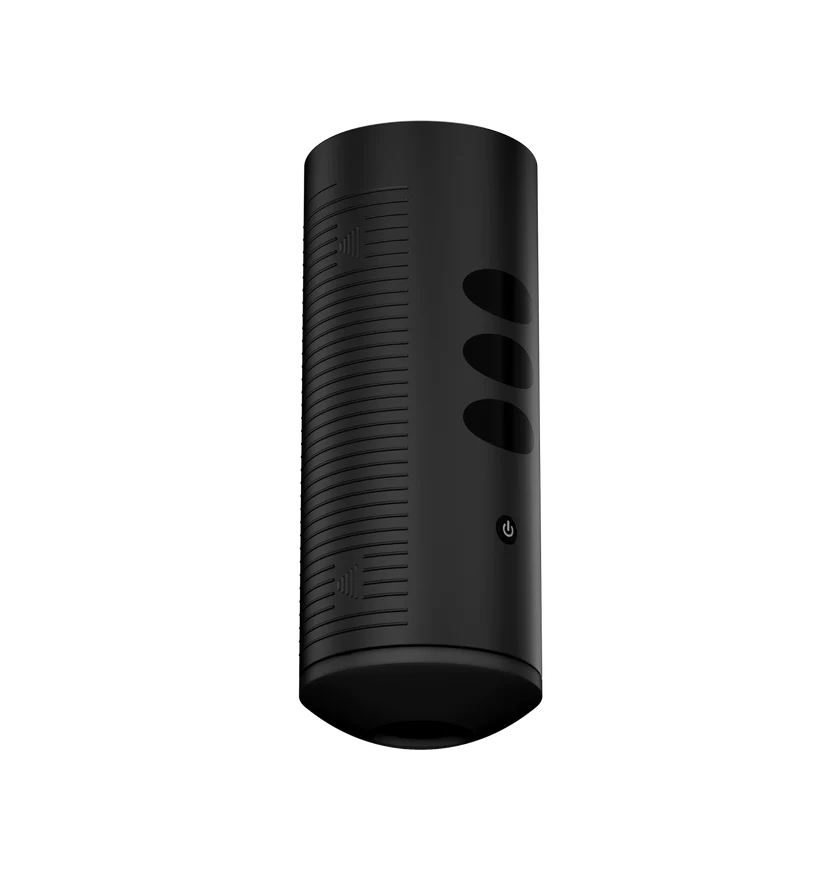
- Sex Toys: A wide variety of sex toys are available for men, designed to offer various kinds of stimulation and boost satisfaction throughout masturbation. These can consist of vibrators, penis sleeves, and other devices.
It's crucial to emphasize that the strategies and preferences for masturbation are highly individual and differ considerably. What one man discovers enjoyable, another may not. The key is for each individual to explore their own body and discover what brings them the most complete satisfaction in a safe and healthy manner.
Unmasking Common Myths and Misconceptions
In spite of its normalcy, masturbation is frequently surrounded by consistent misconceptions and misconceptions. It's vital to deal with these errors to promote a more educated and healthy understanding of this habits.
Here are some common misconceptions about male masturbation, exposed:
- Myth: Masturbation causes blindness or hair development on the palms. Truth: These are old partners' tales with definitely no scientific basis. Masturbation has no effect on eyesight or hair development on the palms.
- Misconception: Masturbation is physically damaging. Reality: Masturbation does not cause physical weak point. The body recuperates quickly after orgasm, and there are no long-term unfavorable impacts on physical strength or stamina.
- Misconception: Masturbation is ethically wrong or sinful. Reality: Moral views on masturbation vary commonly throughout cultures and religious beliefs. Lots of modern-day perspectives view masturbation as a natural and morally neutral act. Whether it is considered "wrong" is typically based on personal beliefs and analyses of spiritual or ethical doctrines.
- Misconception: Masturbation leads to infertility. Truth: Masturbation does not cause infertility. In reality, ejaculation through masturbation is a regular part of sperm production and health.
- Myth: Masturbation signifies relationship issues. Truth: Masturbation is common even in healthy, sexually active relationships. It is not necessarily an indicator of relationship concerns. It can be a method to explore personal desires, manage sexual prompts when a partner is not available, or merely delight in individual pleasure.
- Misconception: Masturbation is addictive. Reality: While it's possible for masturbation to become compulsive or bothersome (see below), for many people, it is not addictive in the very same method as substance addiction. Regular masturbation is a typical and healthy behavior.
When Masturbation Becomes Problematic: Recognizing Compulsive Behavior
While normally healthy, masturbation can become bothersome if it ends up being compulsive and hinders every day life, relationships, or mental wellness. It is very important to distinguish in between regular masturbation and compulsive masturbation.
Signs that masturbation may be becoming problematic include:
- Feeling out of control: Difficulty controlling or stopping masturbation regardless of wanting to.
- Ignoring responsibilities: Prioritizing masturbation over work, school, social obligations, or individual hygiene.
- Masturbating to deal with negative emotions: Using masturbation excessively to prevent handling stress, stress and anxiety, anxiety, or other emotional concerns.
- Relationship issues: Masturbation becoming a source of dispute or secrecy in a relationship.
- Distress and regret: Feeling significant distress, pity, or guilt related to masturbation practices.
- Physical pain or injury: Experiencing physical problems such as skin inflammation or pain due to extreme or powerful masturbation.
If masturbation is triggering substantial distress or negatively affecting one's life, looking for professional aid from a therapist or therapist is recommended.
Conclusion: Embracing a Healthy Perspective on Male Masturbation
Male masturbation is a regular, prevalent, and typically helpful element of male sexuality. It is a natural way for men to explore their bodies, experience satisfaction, and gain different physical and mental advantages. By comprehending the realities and resolving the misconceptions surrounding masturbation, we can promote a more open, accepting, and healthy perspective on this essential human behavior. Accepting self-acceptance and looking for professional assistance when required are essential to making sure a favorable and healthy relationship with one's own sexuality.
Frequently Asked Questions (FAQs) about Male Masturbation:
Q: Is masturbation regular for men?A: Yes, masturbation is exceptionally normal and common for men of any ages and backgrounds. It is a natural and healthy way to explore sexuality and experience enjoyment.
Q: How typically is excessive masturbation?A: There is no set "excessive." What's considered "too much" is subjective and depends on whether masturbation is adversely impacting other areas of your life. If it's triggering distress, disrupting duties, or negatively affecting relationships, it may be considered bothersome. Otherwise, frequency is a personal matter.
Q: Does masturbation impact fertility?A: No, masturbation does not trigger infertility. Ejaculation, consisting of through masturbation, is a typical part of sperm production.
Q: Is it alright to masturbate if I remain in a relationship?A: Yes, it's perfectly regular and healthy to masturbate even when in a relationship. It doesn't always indicate frustration with the relationship. Read Home Page can be a way to explore individual libidos or handle sexual prompts when a partner is not available. Open communication with your partner about sexual requirements and choices is constantly practical.
Q: Can masturbation trigger impotence (ED)?A: No, masturbation does not cause impotence. In fact, routine sex, including masturbation, can assist maintain healthy erectile function. ED is typically triggered by physical or psychological factors unassociated to masturbation practices.
Q: Are there any health risks related to masturbation?A: Generally, masturbation is very safe. Hardly ever, extreme or strong masturbation can trigger mild skin irritation. Using lubricant can help prevent this. The primary potential concern is compulsive masturbation (as discussed above), which is a behavioral issue, not a direct physical health risk from the act itself.
Q: Is it possible to be addicted to masturbation?A: It is more accurate to talk about compulsive masturbation rather than addiction. While not an acknowledged addiction in the very same method as substance dependence, masturbation can end up being compulsive and problematic for some individuals, leading to distress and unfavorable effects on their lives. This is when seeking professional assistance is advisable.